Every engine relies on clean, high-quality oil to function correctly. Motor oil acts as the lifeblood of your vehicle, lubricating internal components, regulating temperature, and protecting the engine from premature wear. Without consistent oil maintenance, even the most reliable engines can begin to lose efficiency and experience costly damage.
When oil circulates through your engine, it forms a protective barrier between moving metal components. This lubrication reduces friction and prevents parts from grinding against each other under extreme heat and pressure. Over time, however, oil begins to break down. Dirt, combustion byproducts, and microscopic metal particles accumulate in the oil, gradually reducing its ability to protect the engine.
This is why routine oil changes remain one of the most important services a vehicle owner can schedule. Fresh oil restores lubrication, removes contaminants, and allows your engine to operate smoothly and efficiently. Vehicles that receive regular oil maintenance typically run quieter, accelerate more smoothly, and maintain stronger long-term reliability.
At Redline Auto & Diesel, oil changes are treated as more than a routine service. Each appointment is an opportunity to evaluate engine health, check critical components, and ensure your vehicle is operating at its best. Preventive maintenance today can prevent major repairs tomorrow.
Drivers who consistently maintain their oil system often experience improved fuel economy, lower emissions, and longer engine life. It is one of the simplest steps you can take to protect your investment and ensure dependable performance for years to come.
How Motor Oil Protects Your Engine
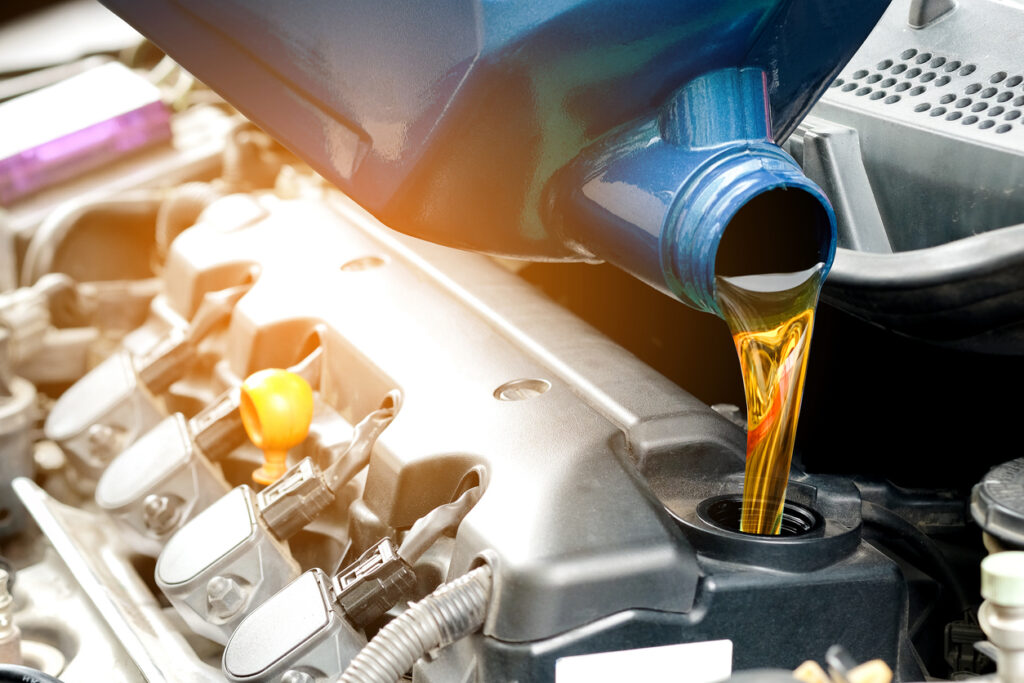
Motor oil does much more than simply lubricate moving parts. It plays several important roles that work together to keep your engine functioning properly.
First, oil reduces friction between engine components such as pistons, crankshafts, and camshafts. These parts move at extremely high speeds, generating intense heat. Without adequate lubrication, metal surfaces would quickly overheat and wear down.
Second, motor oil helps control engine temperature. As oil circulates, it absorbs heat created by combustion and friction. This heat is then dispersed as the oil travels through the engine and oil pan. By carrying heat away from critical components, oil helps prevent overheating and engine stress.
Another key function is cleaning. Modern engine oils contain detergents that capture contaminants like dirt, carbon deposits, and metal shavings. These particles are suspended in the oil and eventually trapped by the oil filter. This process prevents harmful buildup inside the engine.
Oil also protects internal parts from corrosion. Moisture and combustion byproducts can create acidic conditions within the engine. Quality motor oil neutralizes these substances and creates a protective layer that shields metal components.
Over time, however, oil loses its protective properties. Heat cycles and contamination gradually degrade the oil’s effectiveness. Once this happens, the engine loses a significant level of protection.
Regular oil changes restore these protective qualities, ensuring the engine continues operating smoothly. At Redline Auto & Diesel, technicians ensure the correct oil type and viscosity are used for your specific vehicle so your engine receives the protection it was designed to have.
Best Practices for Oil Change Intervals
One of the most common questions drivers ask is how often they should change their oil. While traditional recommendations suggested oil changes every 3,000 miles, modern engines and advanced oil formulations have extended those intervals for many vehicles.
Most manufacturers now recommend oil changes somewhere between 5,000 and 7,500 miles. Some vehicles using synthetic oil may safely reach intervals of 10,000 miles or more under ideal conditions. However, several factors can shorten these intervals.
Driving habits play a major role. Vehicles that frequently experience stop-and-go traffic, short trips, towing, heavy loads, or extreme temperatures place additional stress on the engine oil. In these cases, oil may degrade more quickly and require earlier replacement.
Environmental conditions also influence oil performance. Dusty roads, cold winters, and hot summer temperatures can all contribute to faster oil contamination or breakdown.
Another important consideration is the type of oil used. Conventional oils typically require more frequent replacement than synthetic oils. Synthetic blends and full synthetics are engineered to resist heat and breakdown longer, making them ideal for many modern engines.
At Redline Auto & Diesel, technicians evaluate these factors and help customers determine the most appropriate oil change schedule for their vehicle. Rather than relying on a one-size-fits-all approach, service recommendations are tailored to how the vehicle is actually used.
Following the correct oil change schedule ensures your engine remains properly protected while also preventing unnecessary service visits.
Signs Your Vehicle May Need an Oil Change
Even when drivers follow recommended service intervals, it is helpful to recognize signs that your engine may be ready for fresh oil sooner than expected.
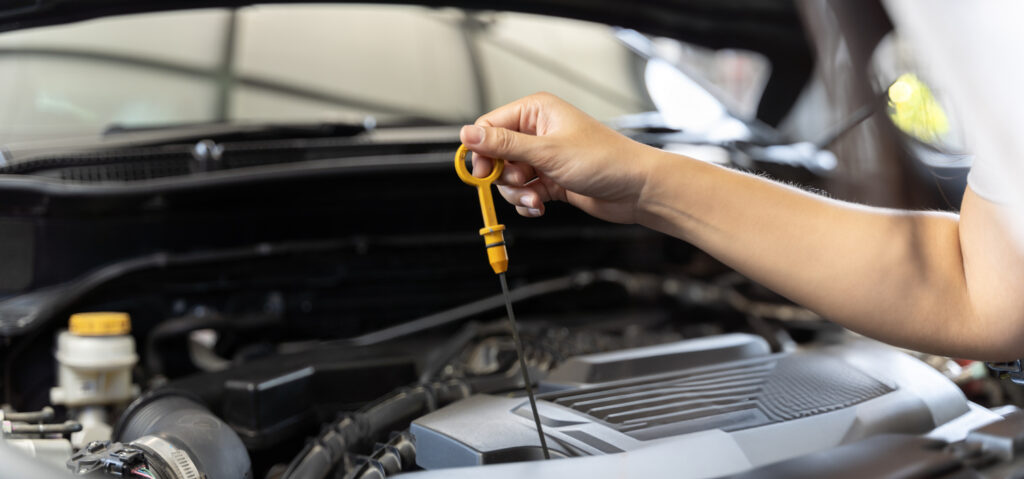
One of the most noticeable indicators is dark, dirty oil. Fresh motor oil typically appears amber in color and flows smoothly. As contaminants accumulate, the oil becomes darker and thicker. Checking the oil dipstick periodically provides a quick snapshot of oil condition.
Another sign can be increased engine noise. When oil begins to break down, lubrication becomes less effective. This may cause engine components to operate more loudly than usual, particularly during startup.
A burning oil smell may also indicate degraded oil or an oil leak. When oil loses its ability to regulate temperature, engine heat may cause noticeable odors under the hood.
Many modern vehicles include dashboard alerts that signal when oil maintenance is required. These reminders track engine usage and operating conditions to determine when the oil should be replaced.
Drivers may also notice reduced fuel efficiency or sluggish engine performance. As oil loses its protective properties, the engine must work harder to overcome friction, which can affect overall efficiency.
If any of these symptoms appear, it is wise to schedule an inspection promptly. The experienced team at Redline Auto & Diesel can evaluate your oil condition and ensure your engine receives the maintenance it needs to operate reliably.
Choosing the Right Oil for Your Vehicle
Not all motor oils are created equal. Choosing the correct oil type and viscosity is critical for proper engine protection and performance.
Vehicle manufacturers design engines with very specific lubrication requirements. Oil viscosity, which refers to the thickness of the oil, must match the engine’s design. Oil that is too thick may not circulate properly, while oil that is too thin may fail to provide sufficient protection under high temperatures.
Conventional oil is derived directly from crude oil and provides adequate protection for many older engines. However, it tends to break down more quickly under extreme temperatures.
Synthetic oil, on the other hand, is engineered to provide superior stability and resistance to breakdown. It performs better in both very hot and very cold environments and generally allows longer intervals between oil changes.
Synthetic blend oils combine elements of both conventional and synthetic formulations. They provide improved protection while remaining more affordable than full synthetic options.
High-mileage oils are also available for vehicles with over 75,000 miles. These formulations include additives designed to protect aging seals and reduce oil consumption.
At Redline Auto & Diesel, technicians carefully select oil products based on manufacturer specifications and the condition of your vehicle. This attention to detail ensures your engine receives the proper lubrication needed for optimal performance and longevity.
Why Professional Oil Change Service Matters

While oil changes may seem like a simple service, professional maintenance ensures the job is done correctly and provides additional benefits beyond replacing oil.
During a professional oil change, technicians inspect several critical components. The oil filter is replaced to ensure contaminants are properly captured moving forward. Fluid levels are checked and topped off as needed, including coolant, brake fluid, and transmission fluid.
Technicians also perform visual inspections for leaks, worn belts, damaged hoses, and other potential issues. Catching these problems early can prevent costly breakdowns and extend the life of your vehicle.
Another advantage of professional service is proper disposal of used oil. Motor oil must be handled responsibly to prevent environmental contamination. Professional shops follow strict procedures for recycling and disposal.
At Redline Auto & Diesel, every oil change is treated as a preventative maintenance opportunity. Skilled technicians bring years of experience working with both gasoline and diesel engines. Their goal is to ensure every customer leaves with confidence that their vehicle is operating at its best.
Regular oil changes are one of the smartest investments you can make in your vehicle. By maintaining clean oil and scheduling professional service, you protect engine performance, improve reliability, and extend the life of your vehicle.
If it has been a while since your last oil change, now is the perfect time to schedule service with Redline Auto & Diesel and keep your engine running strong.